First CPU Mining
The first CPU mining marked the beginning of Bitcoin's journey, allowing individuals to mine Bitcoin using their personal computers' central processing units.
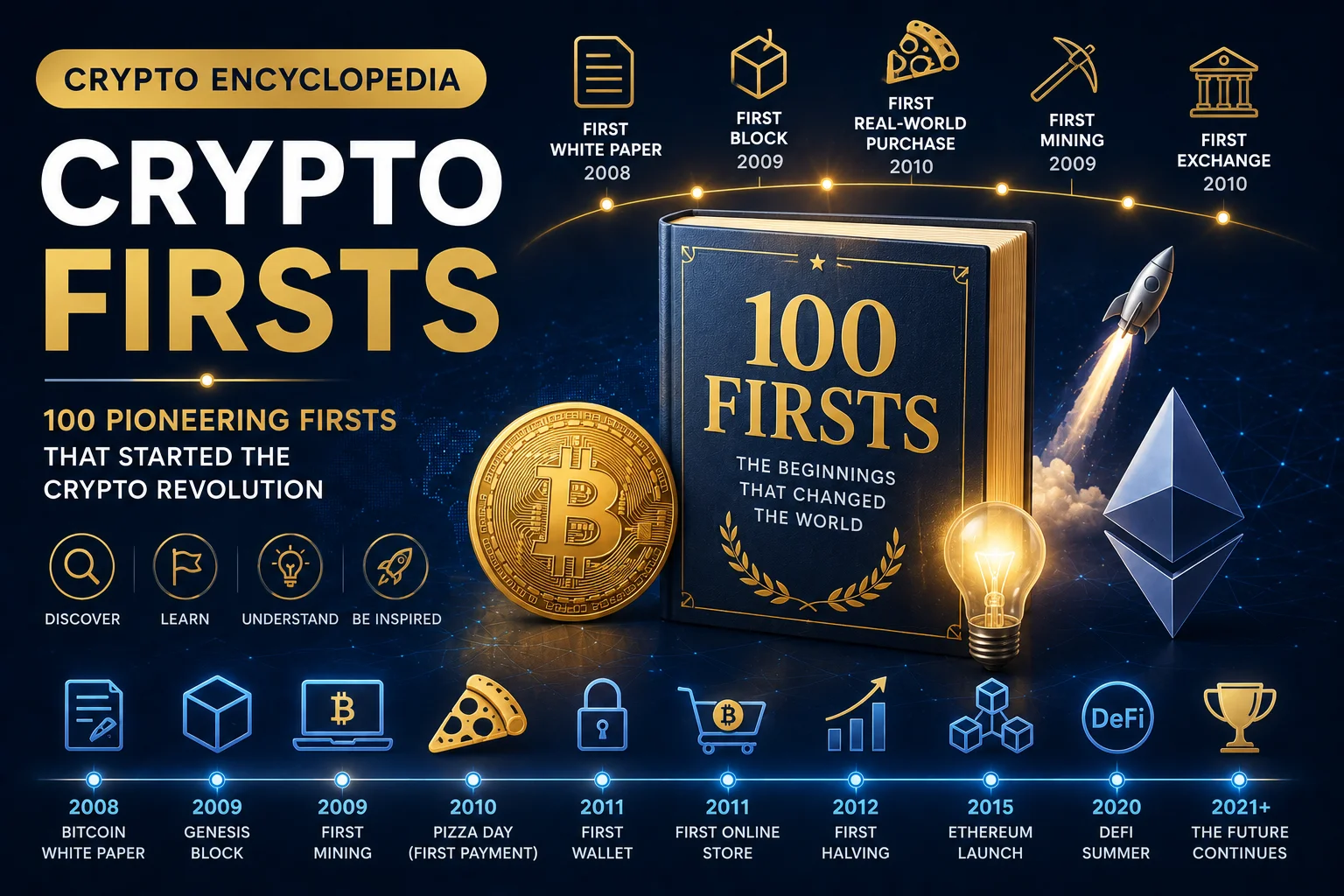
Quick Facts
Table of Contents
Overview
The first CPU mining was a pivotal moment in Bitcoin history, as it allowed individuals to mine Bitcoin using their personal computers. This was possible because Bitcoin's early network was not as competitive as it is today, making it feasible for enthusiasts to participate in mining with relatively simple hardware. CPU mining was the starting point for Bitcoin's decentralized network, laying the groundwork for its future growth.
Background
Before the advent of specialized mining hardware, Bitcoin mining was accessible to anyone with a computer and an internet connection. This era of CPU mining began shortly after Bitcoin's inception in 2009, when Satoshi Nakamoto released the Bitcoin software. At that time, the difficulty of mining was low, allowing individuals to mine Bitcoin blocks using their CPUs, the central processing units of their computers.
What Came First
Before CPU mining, there was no practical way to acquire Bitcoin other than receiving it directly from another user. The launch of Bitcoin's software introduced the concept of mining, where users could earn Bitcoin by solving cryptographic puzzles. This process was initially manageable with standard computer CPUs, making it possible for early adopters to mine Bitcoin from the comfort of their homes.
Why It Mattered
CPU mining was significant because it democratized access to Bitcoin, allowing anyone with a computer to participate in the network. This inclusivity helped grow the community and spread awareness about Bitcoin. Additionally, CPU mining set the stage for the development of more advanced mining techniques and hardware as the network expanded and the mining difficulty increased.
Impact and Legacy
The legacy of CPU mining is evident in how it shaped the early Bitcoin community and laid the foundation for the cryptocurrency's evolution. As Bitcoin's popularity grew, so did the need for more efficient mining methods, leading to the development of GPU and ASIC mining. Despite its eventual obsolescence, CPU mining remains a crucial chapter in Bitcoin's history, illustrating the cryptocurrency's humble beginnings.
Key Takeaways
The first CPU mining marked the start of Bitcoin's decentralized journey, allowing individuals to mine Bitcoin with their personal computers. This era was crucial for spreading awareness and building the initial Bitcoin community. As Bitcoin evolved, so did mining technologies, transitioning from CPUs to more specialized hardware. Understanding CPU mining provides insights into Bitcoin's origins and the ongoing evolution of cryptocurrency technology.
Continue Learning
Related reading: If you are new to this topic, you may also want to explore First Bitcoin White Paper (F006), First Genesis Block (F007), First Bitcoin Software (F008), The Evolution of Cryptography and Digital Money (H001) and Bitcoin White Paper (E001).
FAQ
What is CPU mining?
CPU mining is the process of using a computer's central processing unit (CPU) to mine cryptocurrency. In Bitcoin's early days, this was the primary method for mining, as the network was less competitive and the mining difficulty was low enough for CPUs to handle.
Why was CPU mining important for Bitcoin?
CPU mining was important for Bitcoin because it allowed widespread participation in the network. Anyone with a computer could mine Bitcoin, which helped grow the community and increase awareness of the cryptocurrency. It set the stage for future advancements in mining technology.
How did CPU mining work?
CPU mining worked by using a computer's CPU to solve complex mathematical problems, which are part of the process of verifying and adding transactions to the Bitcoin blockchain. Successful miners were rewarded with newly minted Bitcoin, incentivizing participation in the network.
Why did CPU mining become obsolete?
CPU mining became obsolete as Bitcoin's popularity increased and the mining difficulty rose. More powerful hardware, such as GPUs and ASICs, became necessary to mine Bitcoin efficiently. These specialized devices could perform more calculations per second, making CPU mining uncompetitive.
What replaced CPU mining?
CPU mining was gradually replaced by GPU mining and later by ASIC mining. GPUs, or graphics processing units, offered more processing power than CPUs, while ASICs, or application-specific integrated circuits, are designed specifically for mining and offer even greater efficiency and speed.