The Ethereum Mainnet Launch
The Ethereum Mainnet launch in 2015 marked a pivotal moment in blockchain history, introducing smart contracts and decentralized applications to the world.
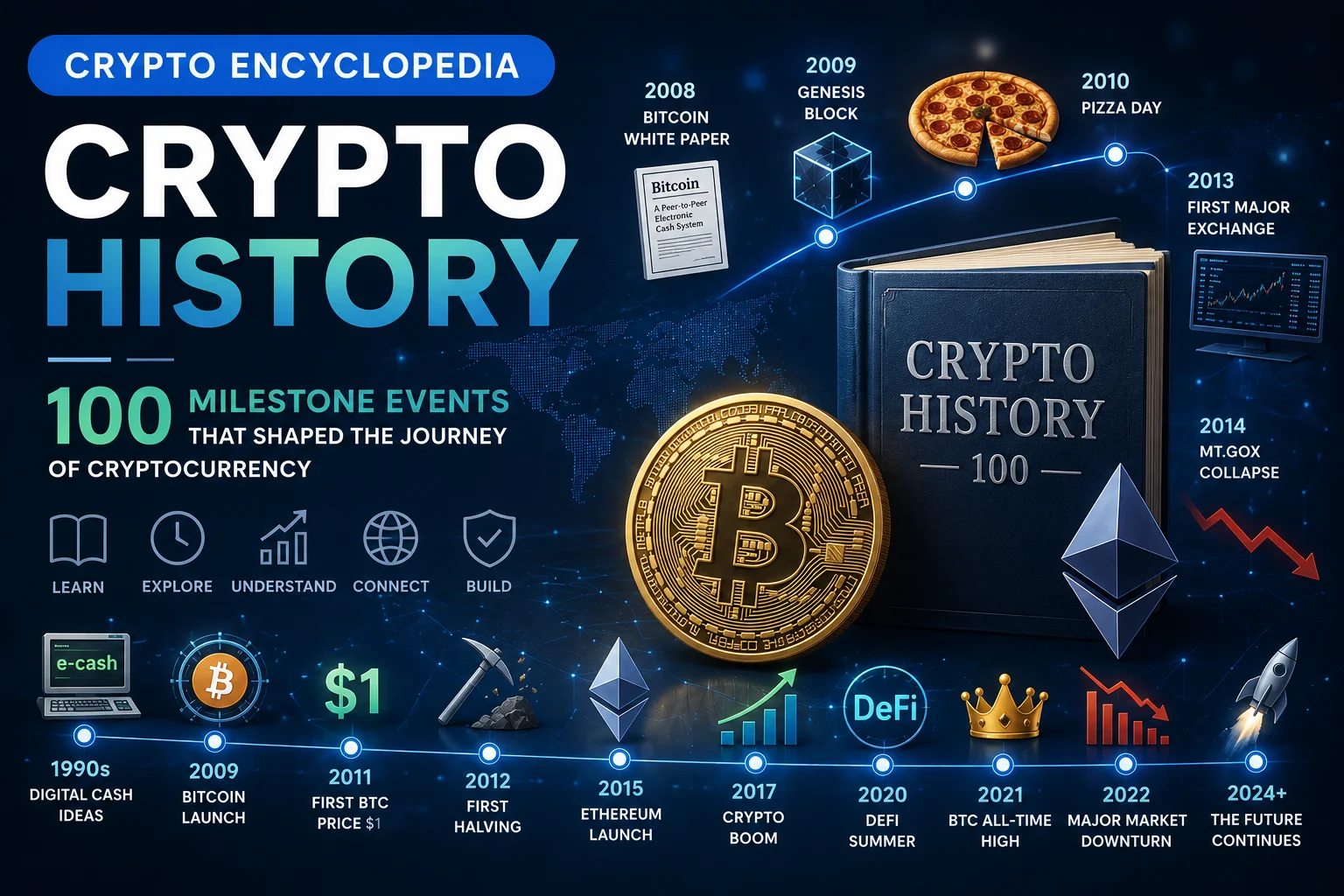
Quick Facts
Table of Contents
Overview
The Ethereum Mainnet launch in July 2015 was a groundbreaking event in the blockchain world. It introduced a new platform that went beyond simple digital currency transactions, allowing developers to create decentralized applications (dApps) using smart contracts. This innovation opened up a world of possibilities for blockchain technology, enabling programmable, self-executing contracts that operate without the need for intermediaries.
Background
Before Ethereum, blockchain technology was primarily associated with Bitcoin, which was designed as a digital currency. However, Vitalik Buterin, a young programmer, envisioned a more versatile platform. He proposed Ethereum as a blockchain that could support a wide range of applications through the use of smart contracts. These contracts could automate and enforce agreements without human intervention, offering a new level of functionality to blockchain technology.
How It Developed
Ethereum's development began with a whitepaper published by Vitalik Buterin in 2013, outlining his vision for a more flexible blockchain platform. The project gained momentum with a successful crowdfunding campaign in 2014, raising funds through an initial coin offering (ICO). The Ethereum Mainnet officially launched in July 2015, with the first version known as 'Frontier.' This initial release was a basic framework for developers to start building and experimenting with smart contracts and dApps.
Why It Mattered
The Ethereum Mainnet launch was significant because it transformed the blockchain landscape. By introducing smart contracts, Ethereum allowed for the creation of decentralized applications that could disrupt traditional industries. This innovation provided a new way to build applications that were transparent, secure, and resistant to censorship. Ethereum's flexibility and potential for innovation attracted developers and businesses, making it a cornerstone of the blockchain ecosystem.
Impact and Legacy
Since its launch, Ethereum has become a foundational platform for a wide range of applications, from finance to gaming. It has inspired the development of numerous other blockchain projects and tokens, contributing to the growth of the decentralized finance (DeFi) movement. Ethereum's impact is seen in its vibrant community and ongoing development, including plans to transition to a more sustainable proof-of-stake consensus mechanism. Its legacy is the demonstration of blockchain's potential beyond digital currency.
Key Takeaways
The Ethereum Mainnet launch was a pivotal moment that expanded the possibilities of blockchain technology. It introduced smart contracts and decentralized applications, paving the way for innovations in various industries. Ethereum's ongoing evolution and influence highlight the dynamic nature of the blockchain space. For beginners, understanding Ethereum's role in the crypto world is crucial for grasping the broader implications of blockchain technology.
Continue Learning
Related reading: If you are new to this topic, you may also want to explore The Ethereum Project Announcement (H022), The DAO Hack (H024), The Ethereum Hard Fork (H025), The Evolution of Cryptography and Digital Money (H001) and Bitcoin White Paper (E001).
FAQ
What is the Ethereum Mainnet?
The Ethereum Mainnet is the primary public Ethereum blockchain where transactions and smart contracts are executed. It was launched in 2015 as a platform for decentralized applications, enabling developers to build and deploy smart contracts that operate without intermediaries. The Mainnet is the live network where real transactions occur, as opposed to test networks used for development and experimentation.
Who created Ethereum?
Ethereum was created by Vitalik Buterin, a programmer and cryptocurrency researcher. He proposed the idea in a 2013 whitepaper, envisioning a blockchain platform that could support a wide range of applications through smart contracts. Vitalik's vision attracted a team of developers and supporters who helped bring Ethereum to life, culminating in the Mainnet launch in 2015.
What are smart contracts?
Smart contracts are self-executing contracts with the terms of the agreement directly written into code. They automatically execute and enforce actions based on predefined conditions, eliminating the need for intermediaries. Smart contracts are a key feature of Ethereum, enabling the creation of decentralized applications that can operate transparently and securely.
How did the Ethereum Mainnet launch impact the blockchain industry?
The Ethereum Mainnet launch significantly impacted the blockchain industry by introducing smart contracts and decentralized applications. It expanded the use cases for blockchain technology beyond digital currency, inspiring new projects and innovations. Ethereum's flexibility and potential for disruption attracted developers and businesses, contributing to the growth of the decentralized finance movement and other blockchain applications.
What is Ethereum's legacy?
Ethereum's legacy is its role in transforming blockchain technology from a digital currency platform to a versatile tool for decentralized applications. It has inspired countless projects and innovations, fostering a vibrant community and ongoing development. Ethereum's transition to a proof-of-stake consensus mechanism and its influence on the DeFi movement highlight its enduring impact on the crypto world.